
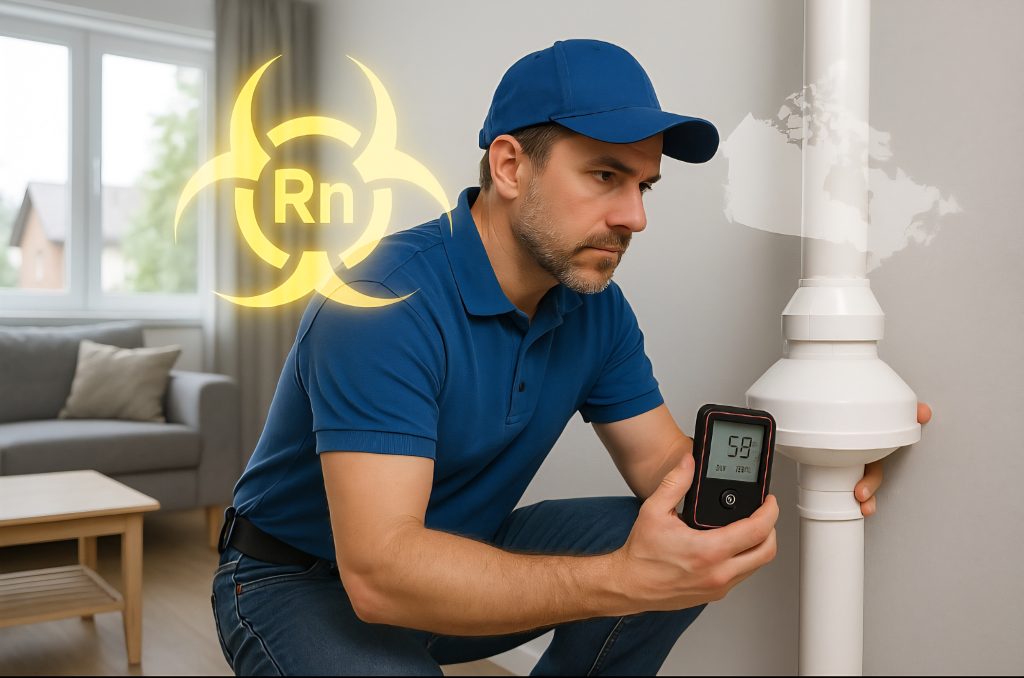
 What Is Radon Gas and Why It Matters in Canada
Radon gas is a naturally occurring radioactive gas that comes from the breakdown of uranium in soil and rock. It enters homes through foundation cracks, sump pumps, drains, and other openings.
In Canada—especially in Ontario, British Columbia, and the Prairies—radon levels can easily exceed Health Canada’s safe threshold of 200 Bq/m³. Since it’s odourless and invisible, most homeowners don’t even know it’s there.
 Radon is the second leading cause of lung cancer in Canada, responsible for over 3,200 deaths annually, according to Health Canada.
 How to Know If Your Home Has a Radon Problem
You can’t see or smell radon, so the only way to detect it is with a radon test kit or by hiring a C-NRPP-certified radon professional.
- Short-term test: 2 to 7 days
- Long-term test (recommended): 91+ days
If your results come back above 200 Bq/m³, it’s time to mitigate.
 Upgrading Your Home: Radon Mitigation Systems
The most effective method for reducing radon in homes is called Sub-Slab Depressurization (SSD). This involves:
- Installing a vent pipe beneath the foundation
- Using a fan to draw radon from under the home and release it outside
- Sealing all foundation cracks and entry points
Common radon mitigation upgrades:
- Sub-slab depressurization system
- Sump pump sealing
- Foundation crack sealing
- Enhanced ventilation
- Heat recovery ventilators (HRVs) in high-radon zones
 Ontario’s New Building Code: Mandatory Radon Rough-In (2024 Update)
As of January 1, 2024, Ontario introduced new requirements to the Ontario Building Code (OBC) regarding radon gas. Builders are now required to include radon mitigation rough-ins in new residential construction across most of the province.
 What Does the Radon Rough-In Include?
- A capped pipe installed below the foundation slab for future radon venting
- Provisions for fan installation if mitigation is needed later
- Optional monitoring components or test ports
 Why This Matters to Homeowners:
- Makes future mitigation cheaper and easier
- Adds value and transparency to new homes
- Aligns with growing buyer awareness of indoor air quality
These changes reflect growing concern about radon exposure and the province’s commitment to long-term health protection.
 ROI: Why Radon Mitigation Is a Smart Investment in Canada
 Health & Safety
- Immediate reduction in cancer risk
- Peace of mind for families and future buyers
Increased Property Value
- Homes with low radon levels and mitigation systems are more marketable
- Buyers are becoming more educated and cautious about indoor air quality
Energy Efficiency Boost
- Sealing and ventilation improvements often lead to lower utility bills
Future-Proofing
- As codes change, having radon mitigation infrastructure protects you from future costly renovations
 Cost vs Return
- Average mitigation cost: $2,000–$3,500
- ROI includes:
- Improved resale value
- Reduced liability
- Enhanced buyer confidence
Best Time to Mitigate? During Renovations or Selling
If you’re renovating your basement or prepping your home for sale, now is the perfect time to:
- Test for radon
- Install a mitigation system or
- Take advantage of the new radon rough-in code if you’re building new in Ontario
 Final Thoughts: Protect Your Family & Your Investment
Radon gas may be invisible, but its risks are real—and preventable. As awareness grows and regulations evolve, Canadian homeowners stand to benefit by acting early.
Whether you’re building, buying, renovating, or selling, radon mitigation is a high-ROI upgrade that delivers both health protection and property value.